Patients & families / Hemifacial spasm
Hemifacial spasm
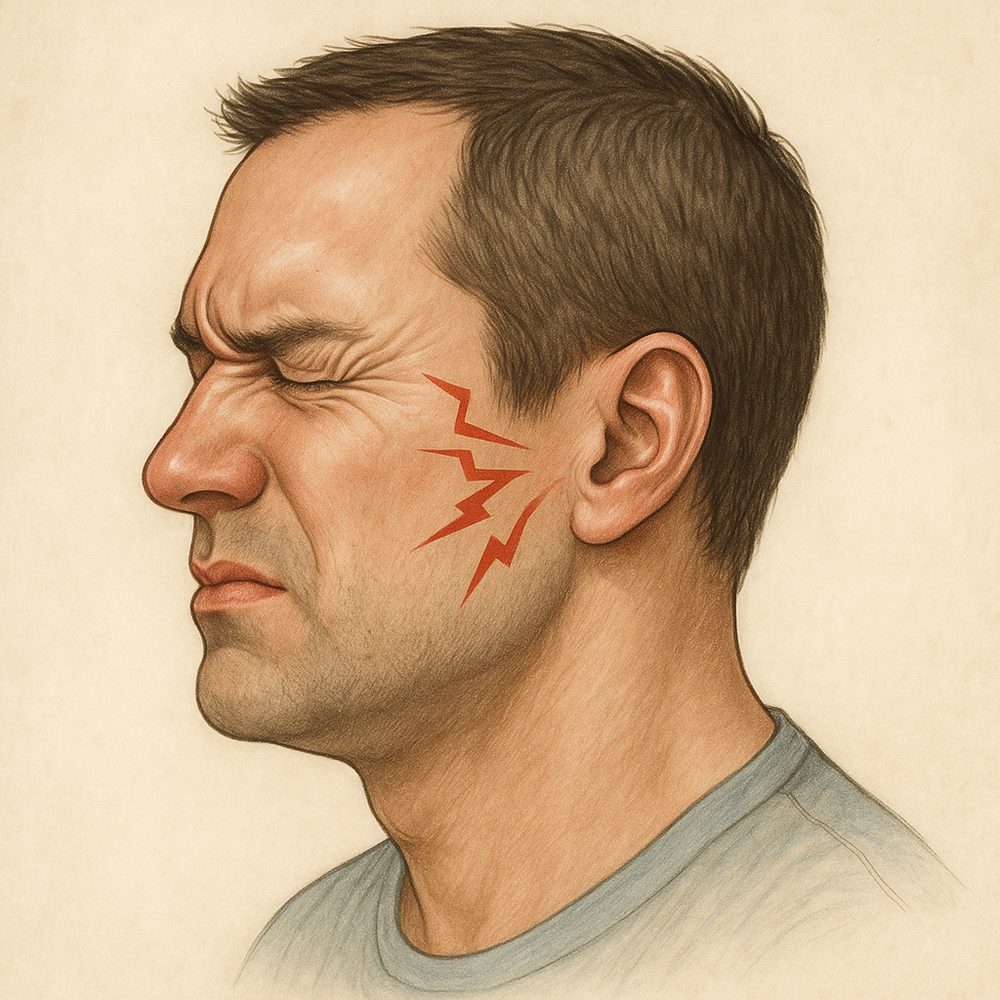
These are involuntary contractions of one side of the face. They usually start around the eye and, over time, may pull the cheek and the corner of the mouth. It is not dangerous, but it is bothersome, and it can be treated.
What it is
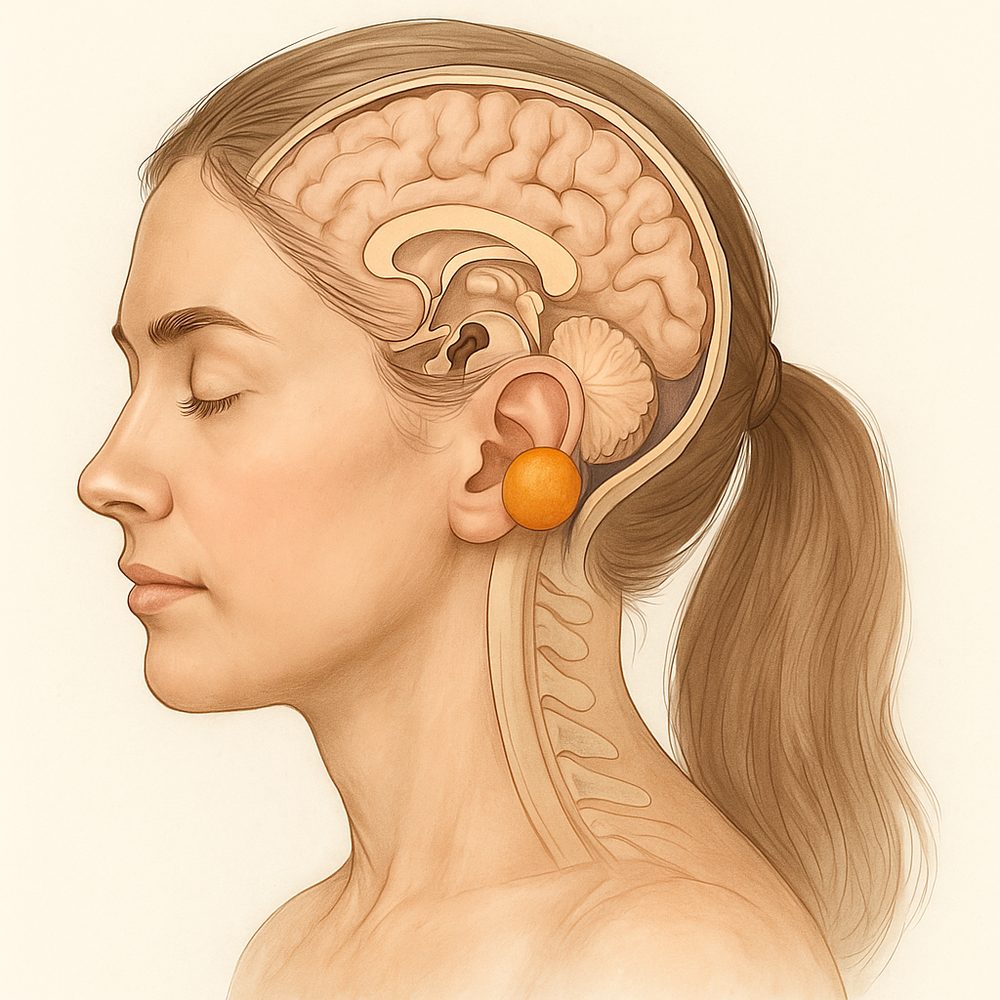
The facial nerve controls the muscles on each side of the face. In hemifacial spasm there is almost always an artery touching the nerve just where it leaves the brainstem.
The constant pulsation irritates the nerve, which starts sending signals on its own, and the muscles contract involuntarily.
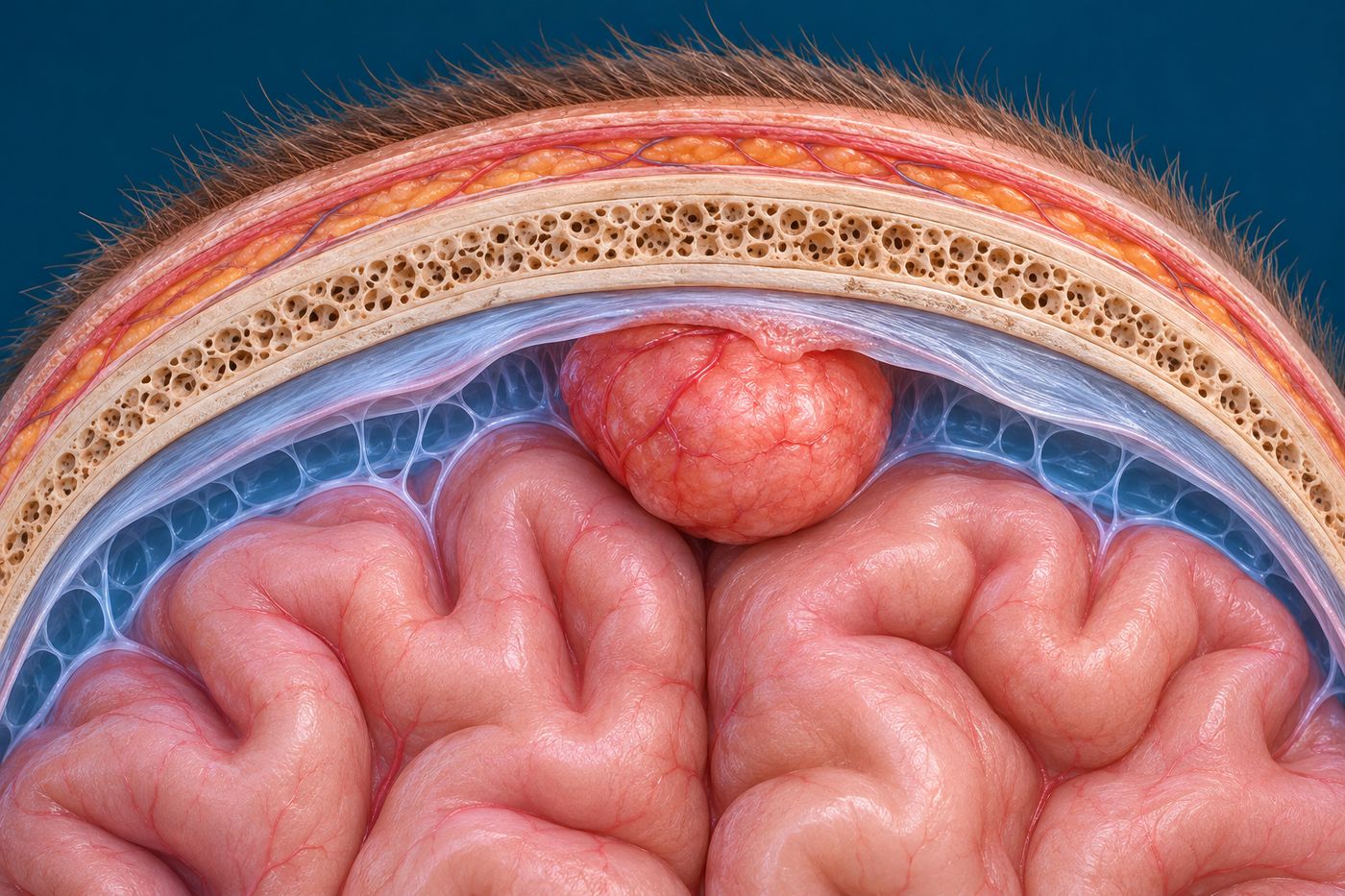
Rarely, the cause is a tumor or another lesion. That is why an MRI is part of the work-up.
Approximate figures from the international literature.
Symptoms
Hemifacial spasm is different from the common eyelid twitch, which is temporary, and from blepharospasm, which affects both eyes.
See your doctor if facial weakness, hearing loss or pain appear together with the contractions: these signs call for investigation of other causes.
Diagnosis
The diagnosis is made by observing the movements and from the history.
MRI with thin sequences shows the vessel touching the nerve and rules out other causes. Electromyography can help when in doubt.

Treatment
There are two main approaches: controlling the contractions with regular injections, or treating the cause with surgery.

Injections into the affected muscles reduce the contractions for 3 to 4 months. They need to be repeated.
When: first option for many patients
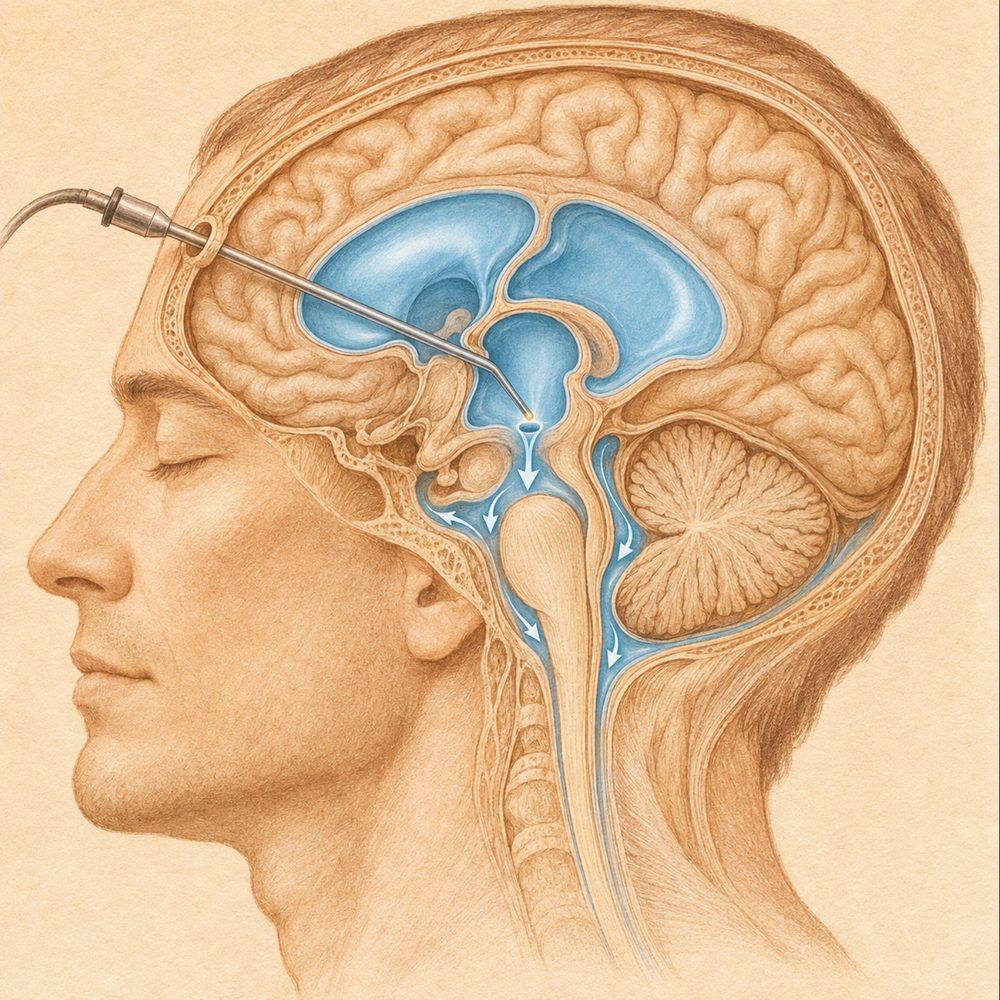
Surgery that moves the vessel away from the facial nerve. It treats the cause and can cure the spasm permanently.
When: patients who want a permanent solution or do not respond to the toxinAfter treatment
During surgery, hearing and the facial nerve are monitored continuously to reduce risks.
Exact timelines are set by your doctor according to your case.
For your appointment
Write down the answers, or bring someone you trust.
Frequently asked questions
It is not usually dangerous, but it can interfere with vision, driving and social life. That is why treatment is recommended.
It controls the contractions for a few months but does not treat the cause. Surgery treats the cause.
Often yes, but in some patients the spasm decreases gradually over weeks or months.
Research news
A meta-analysis of 26 studies assessed how botulinum toxin injections around the eyes affect tears and the eye surface.
ReadA double-blind study of 92 patients compared two botulinum toxin formulations, with each patient receiving both in different periods.
ReadResearchers created a tool that combines clinical data with the electrical monitoring done during microvascular decompression.
Read Neurosurgery