 Neurosurgery
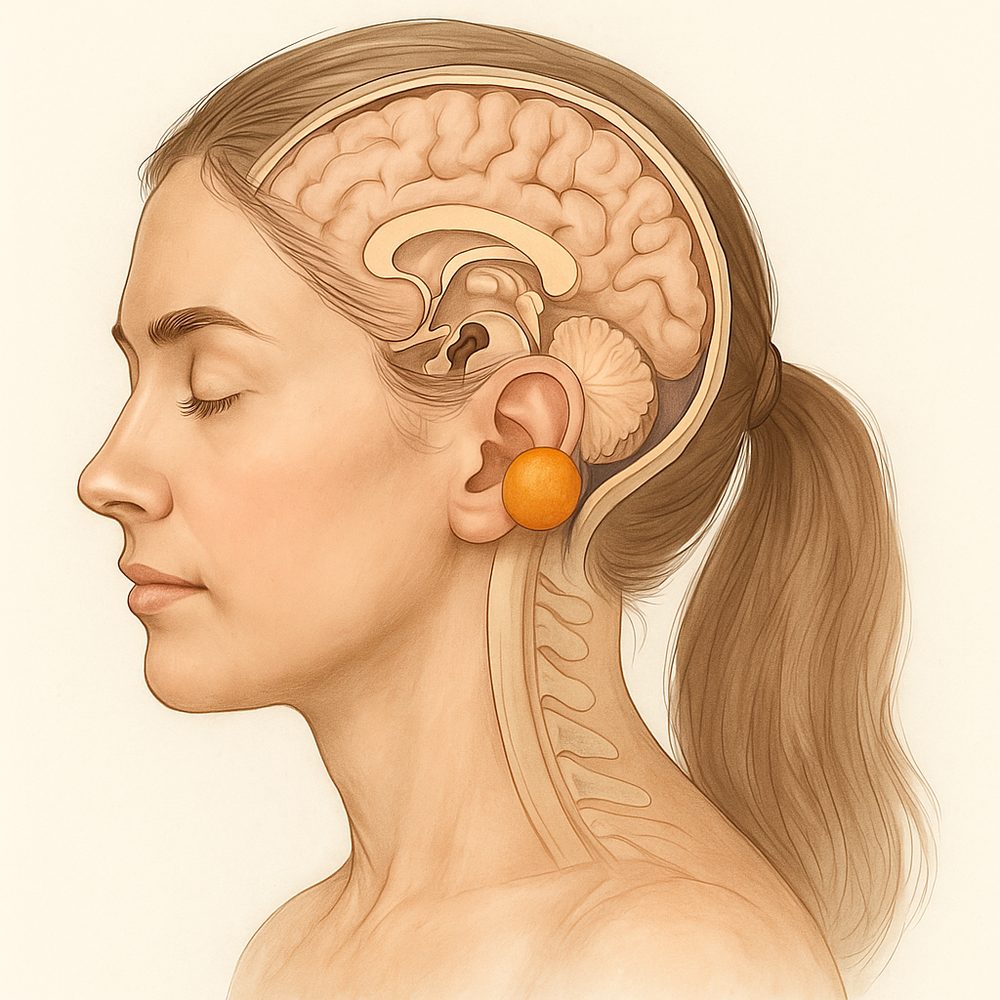
Vestibular schwannoma
A benign tumor of the balance nerve that can cause hearing loss, tinnitus and dizziness.
For patients and families
Illustrated guides in plain language about the conditions we treat. Each topic has a full guide, questions and answers, and research news explained for patients.

Guides by condition
A benign tumor of the balance nerve that can cause hearing loss, tinnitus and dizziness.
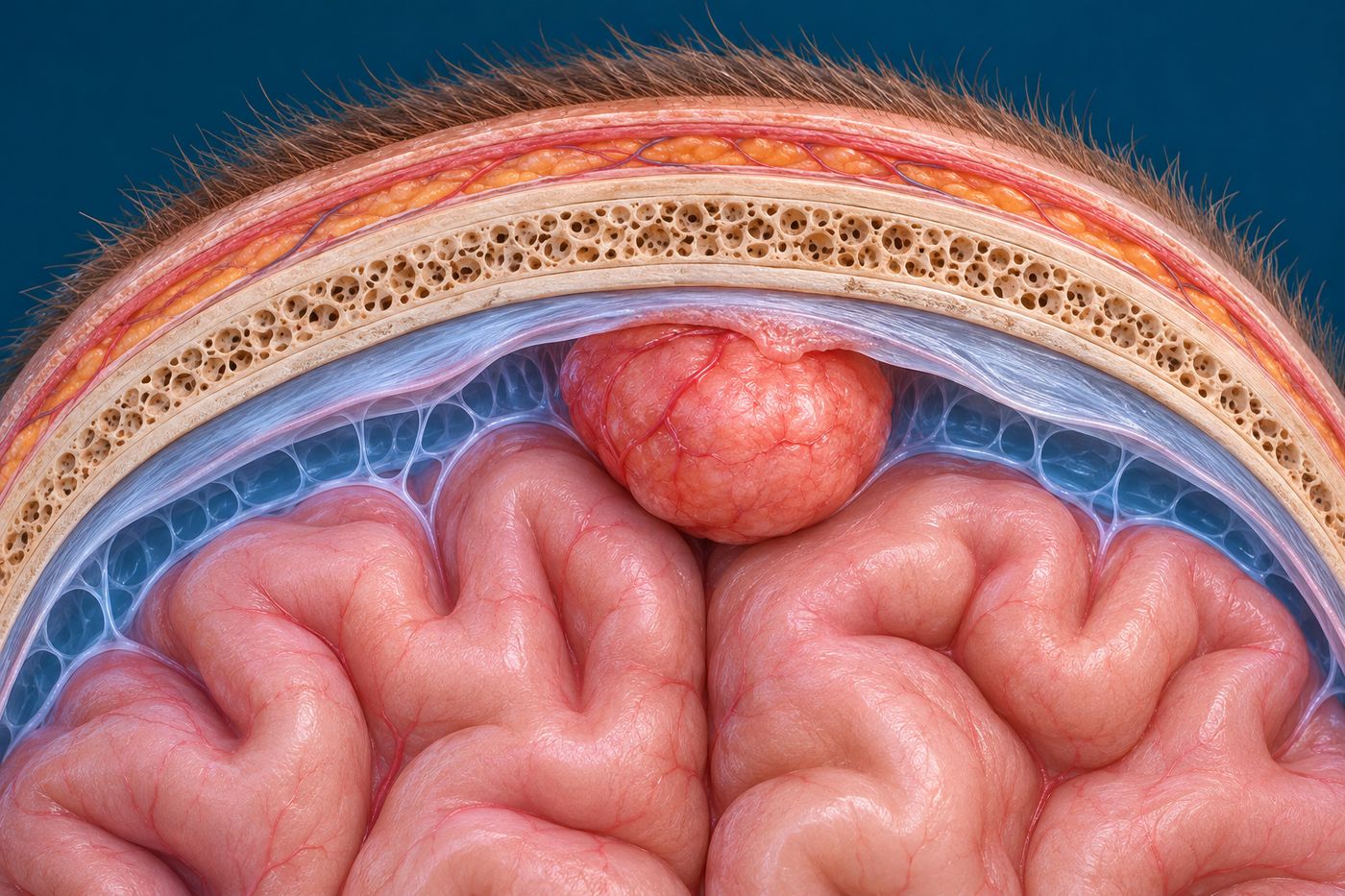
The most common tumor inside the skull; usually benign and slow-growing.

Attacks of intense, shock-like pain on one side of the face, often caused by a vessel touching the nerve.
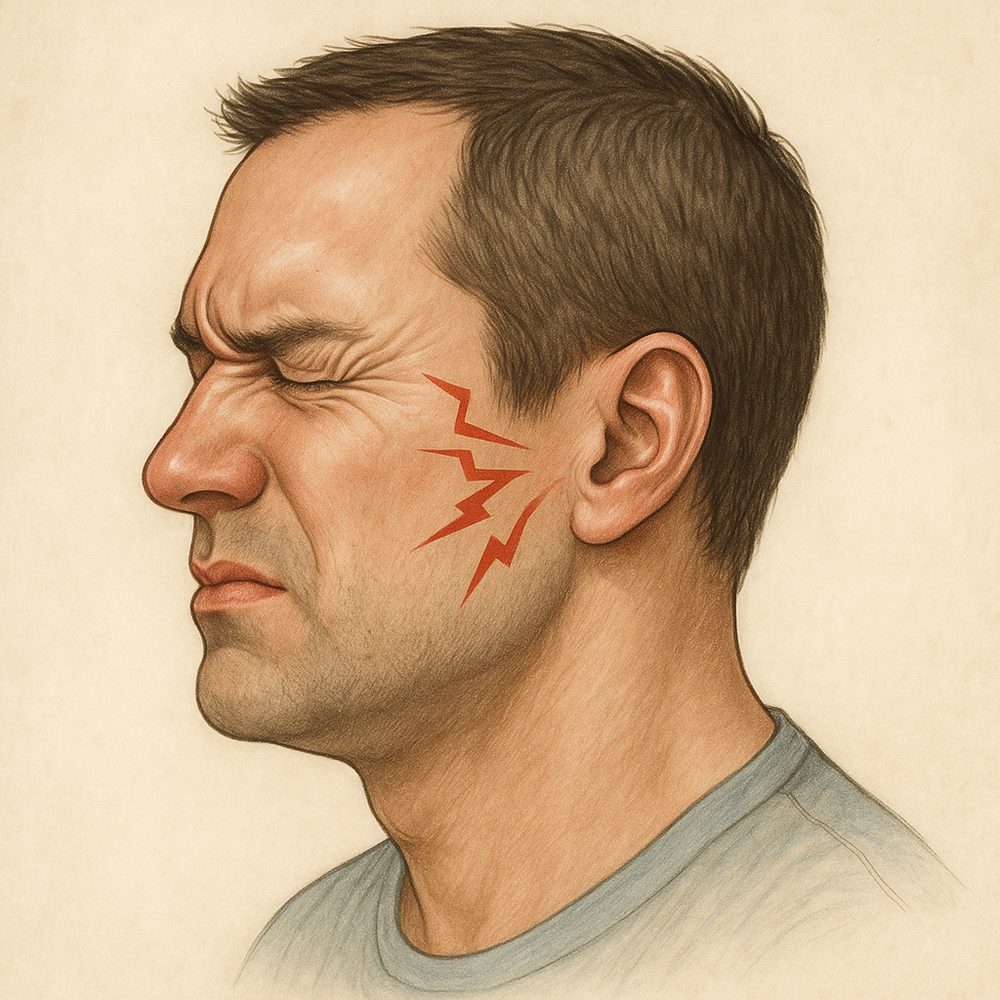
Involuntary contractions on one side of the face that begin around the eye and may spread.
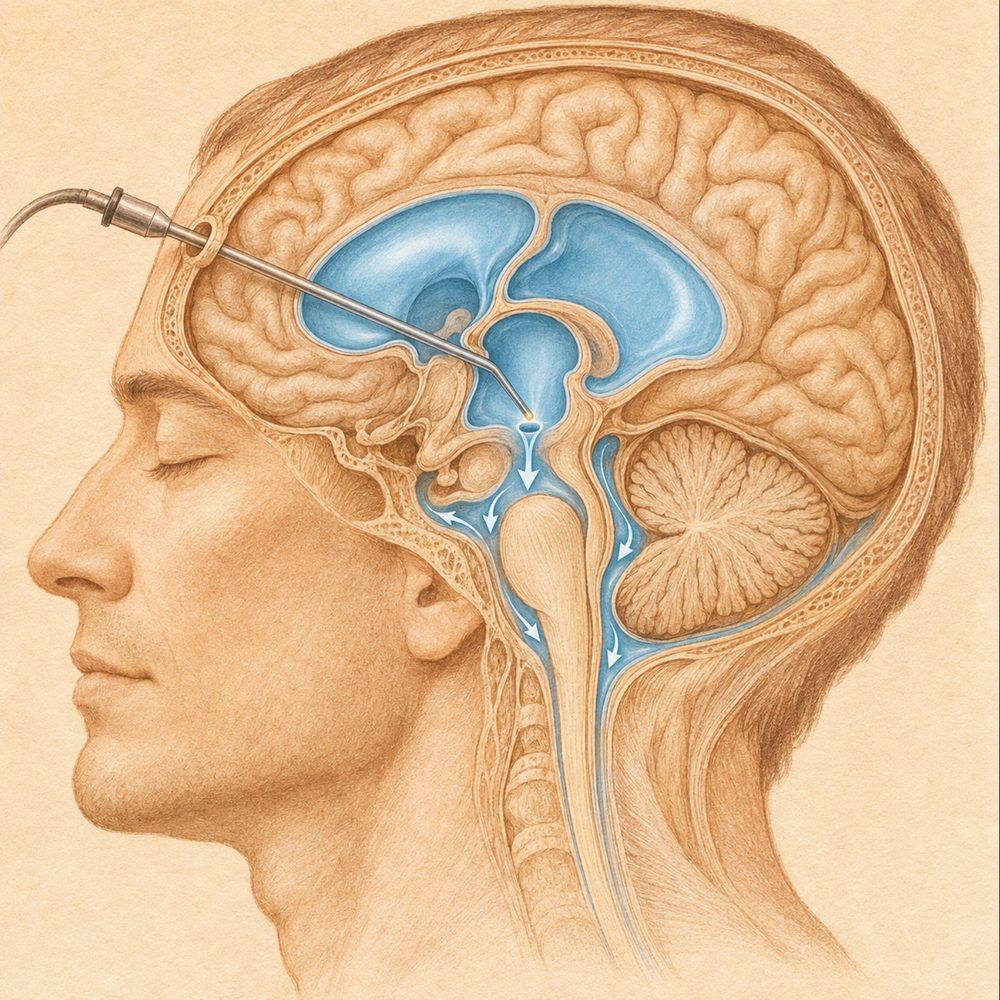
Build-up of cerebrospinal fluid inside the brain. In many cases it can be treated endoscopically, without a shunt.
Research news
A randomized trial compared app-guided balance exercises with in-person physiotherapy after vestibular schwannoma surgery.
ReadThe first randomized trial on the topic shows that, for completely removed grade 2 tumors, radiotherapy lowers the risk of the tumor coming back.
ReadA review of 9 studies assessed radiomics, a technique that extracts details invisible to the naked eye from MRI images to identify the trigeminal nerve causing the pain.
ReadA meta-analysis of 26 studies assessed how botulinum toxin injections around the eyes affect tears and the eye surface.
ReadA study of 98 children assessed endoscopic third ventriculostomy in hydrocephalus caused by meningitis or other infections.
ReadAn international study followed 309 people aged 80 or older treated with radiosurgery for vestibular schwannoma.
ReadThe information on this site helps you understand the diagnosis and prepare for your appointment, but it does not replace your doctor's assessment.